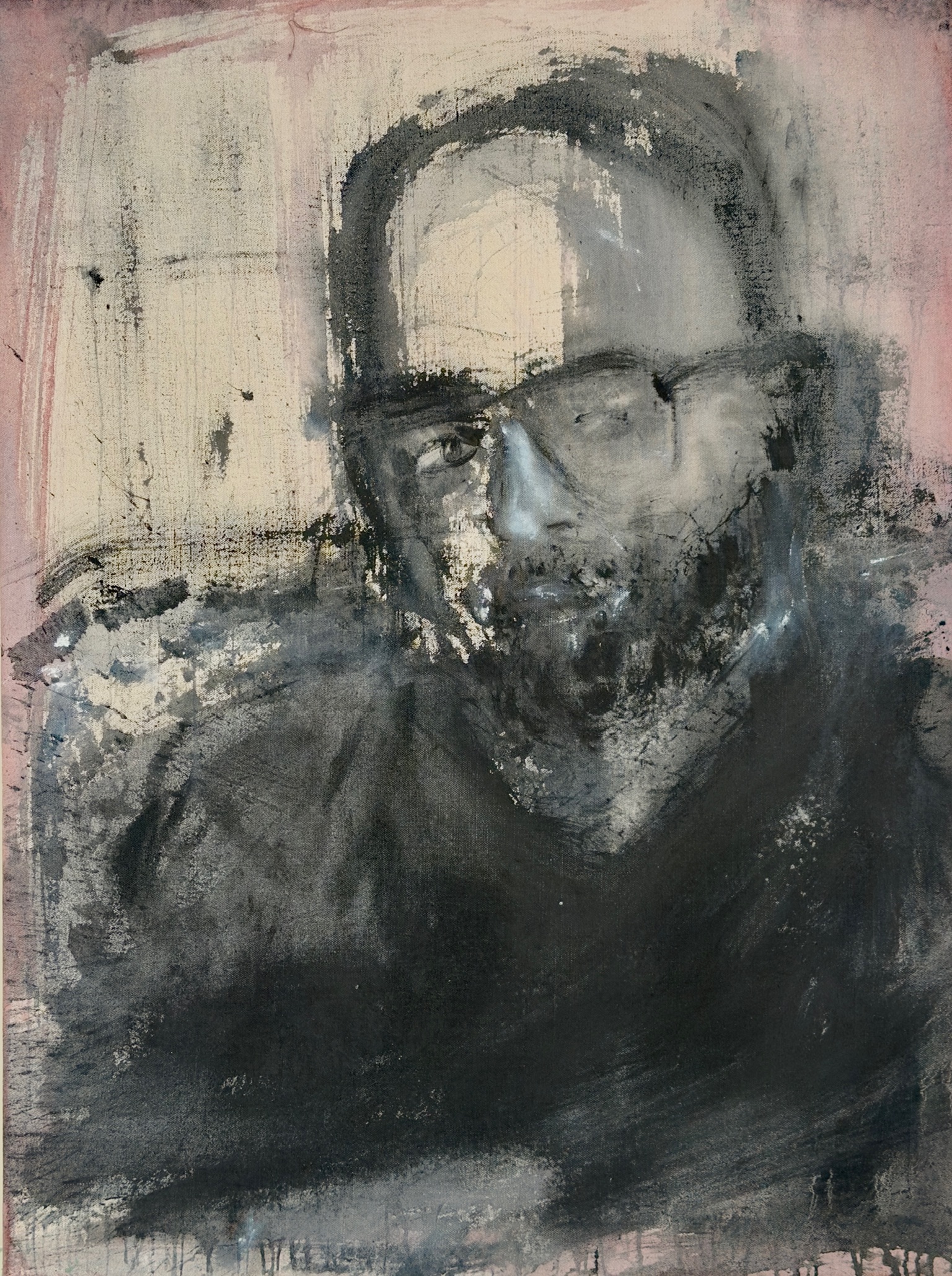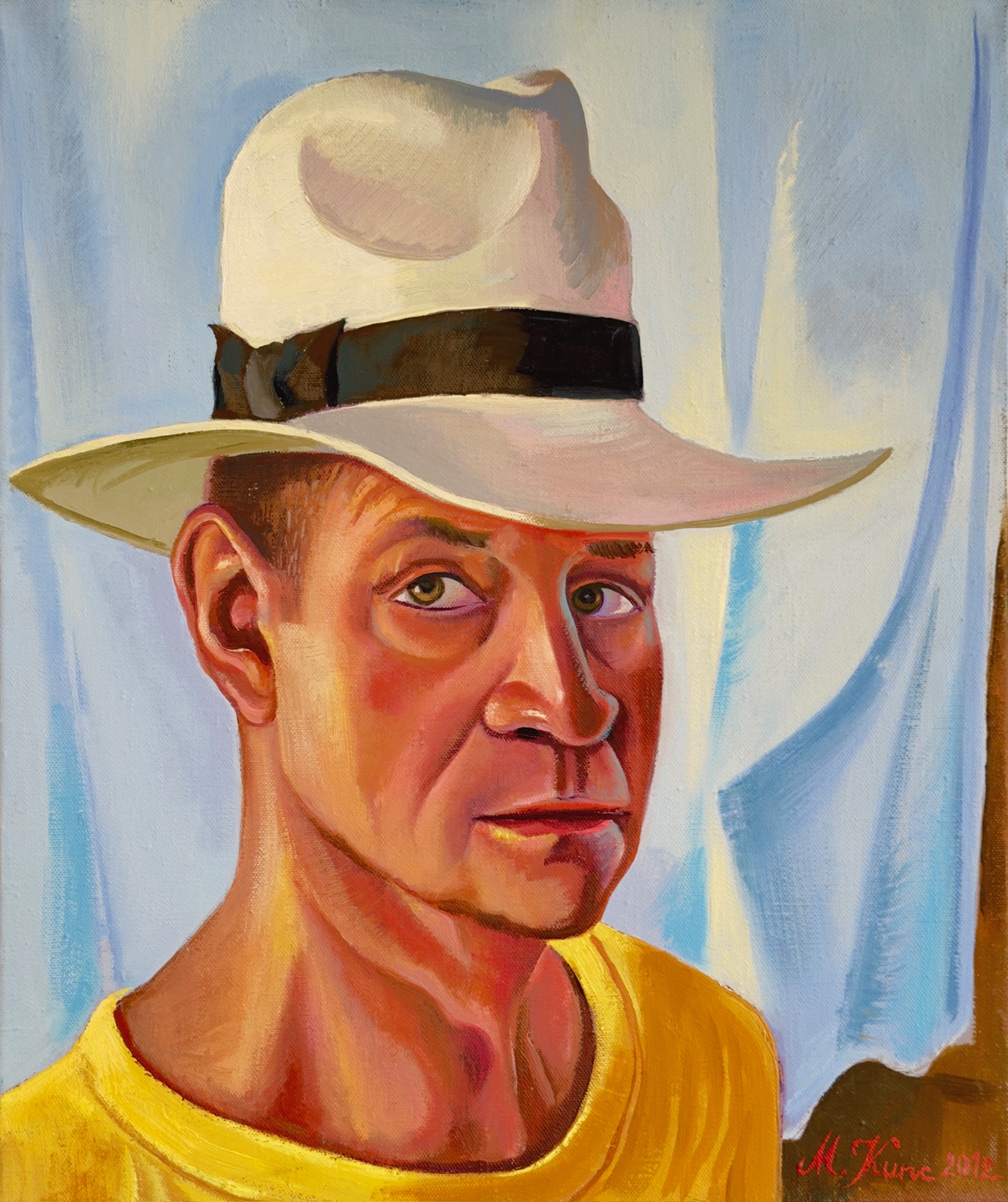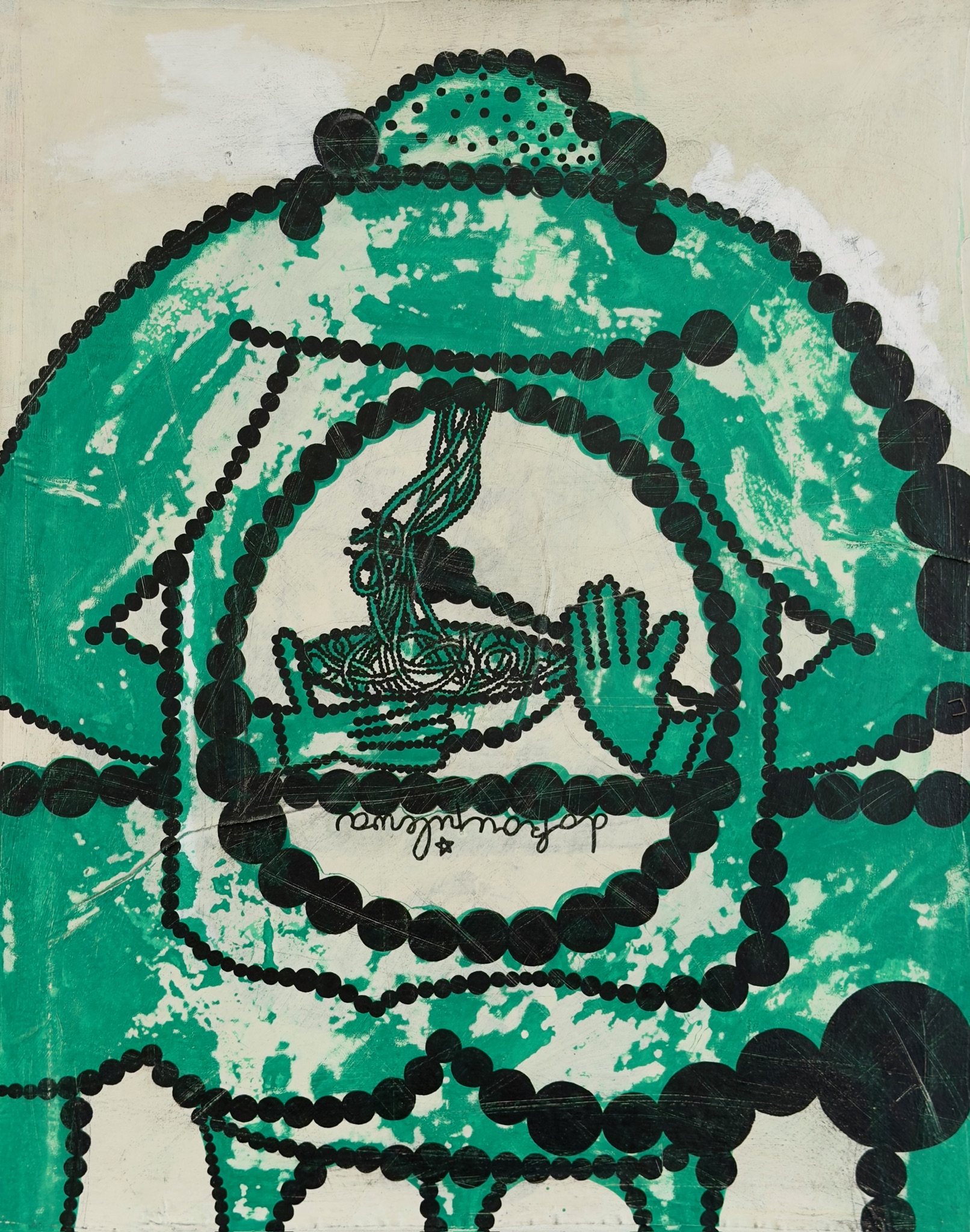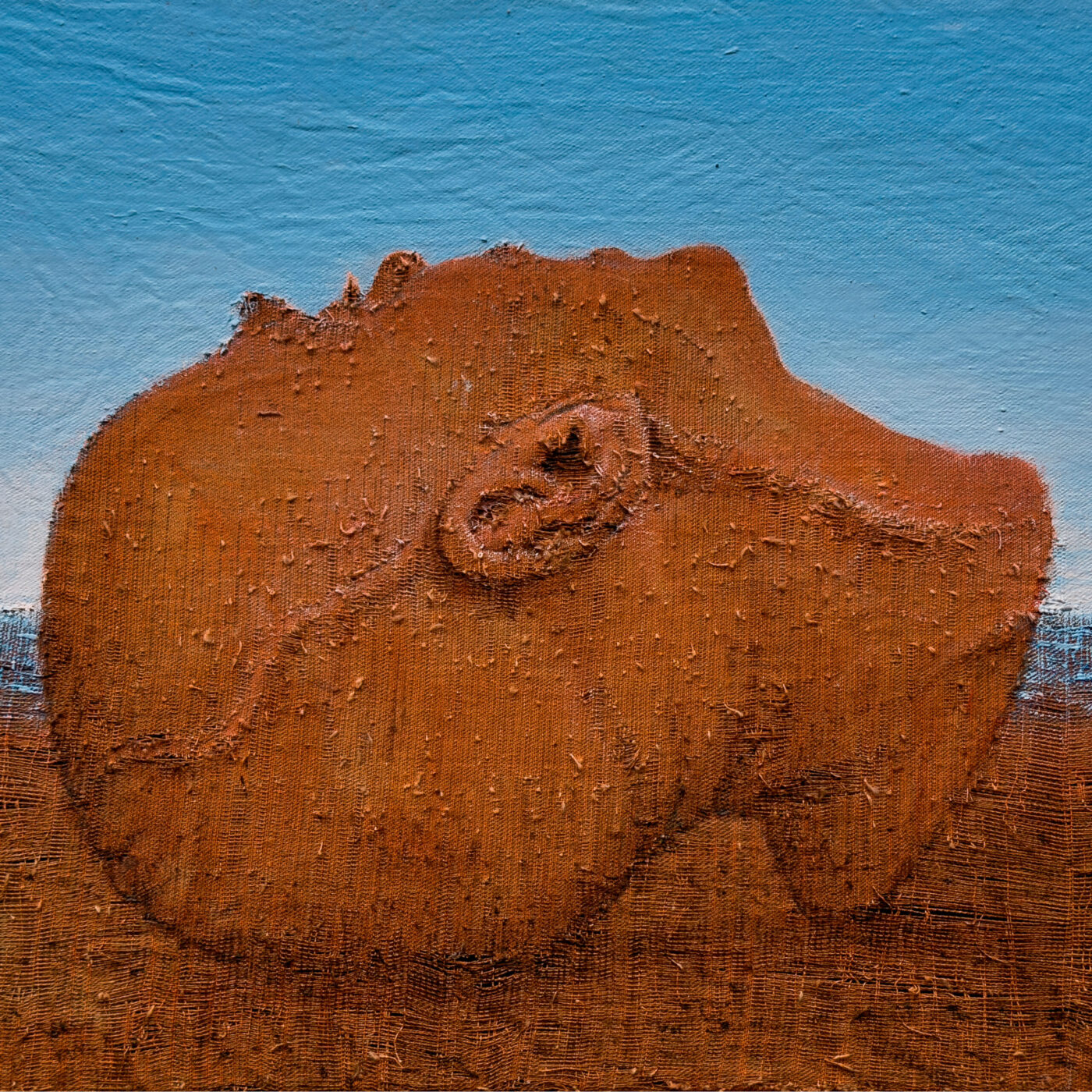
Self-portraits
Autoři:
Vilém Balej, Jiří Georg Dokoupil, Jana Farmanová, Eliáš Jan
Kabzan, Krištof Kintera, Silvia Krivošiková, Milan Kunc, Ukn Lee,
Renata Machýčková, Matyáš Maláč, Martin Mainer, Rudolf Němec,
Francis de Nim, Jiří Petrbok, Ondřej Petrlík, Vladimír Skrepl,
Václav Stratil, Jakub Špaňhel, Adam Štech
Výstava potrvá od/Exhibition open 14. 10. 2026 – 23. 11. 2026
Vernisáž/Opening Reception: 13.10. 2026 od 17:00
Kde: Pražský dům v Bruselu, Avenue Palmerston 16, 1000
Brussels
Curator: Vilém Kabzan
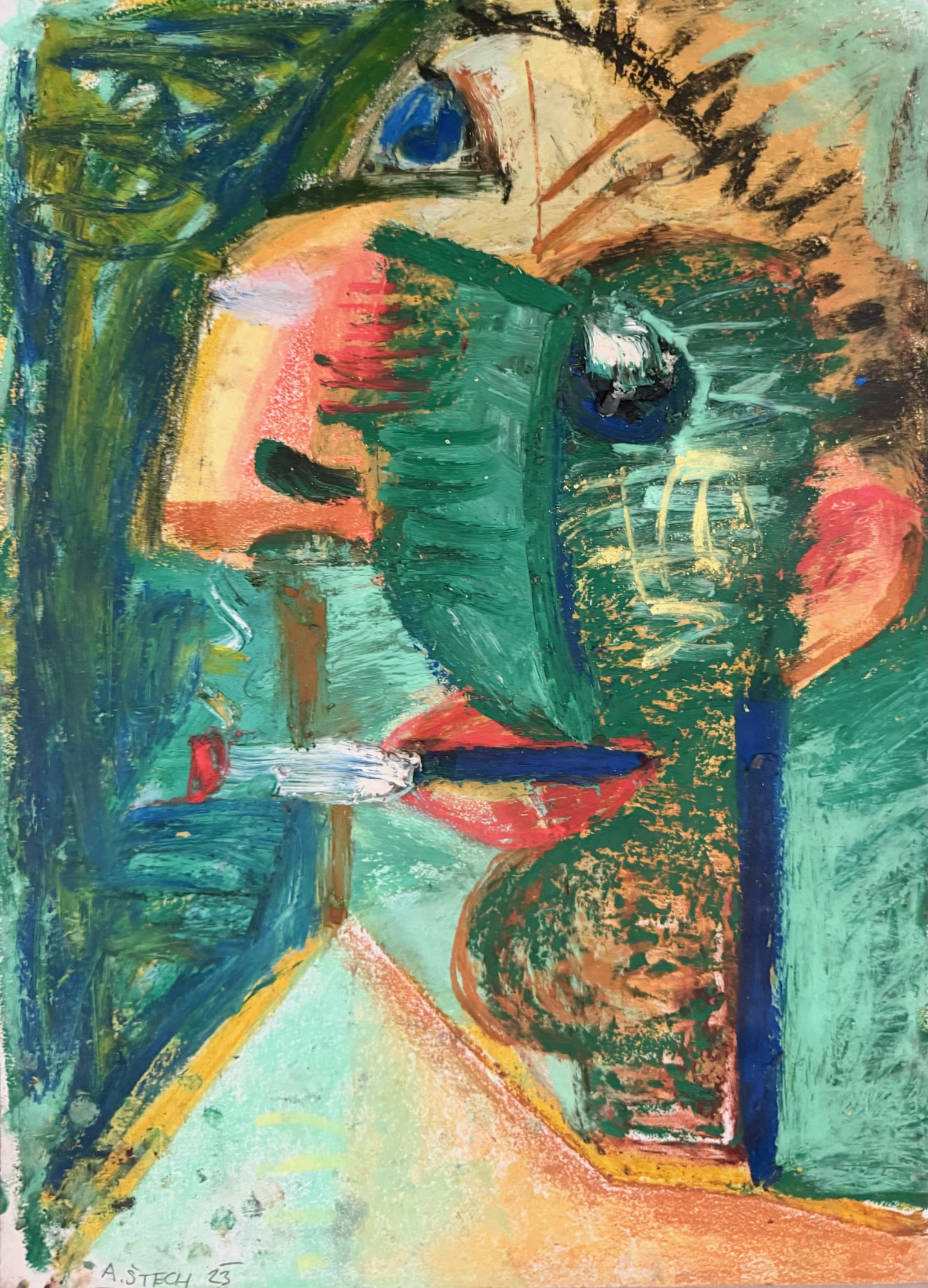
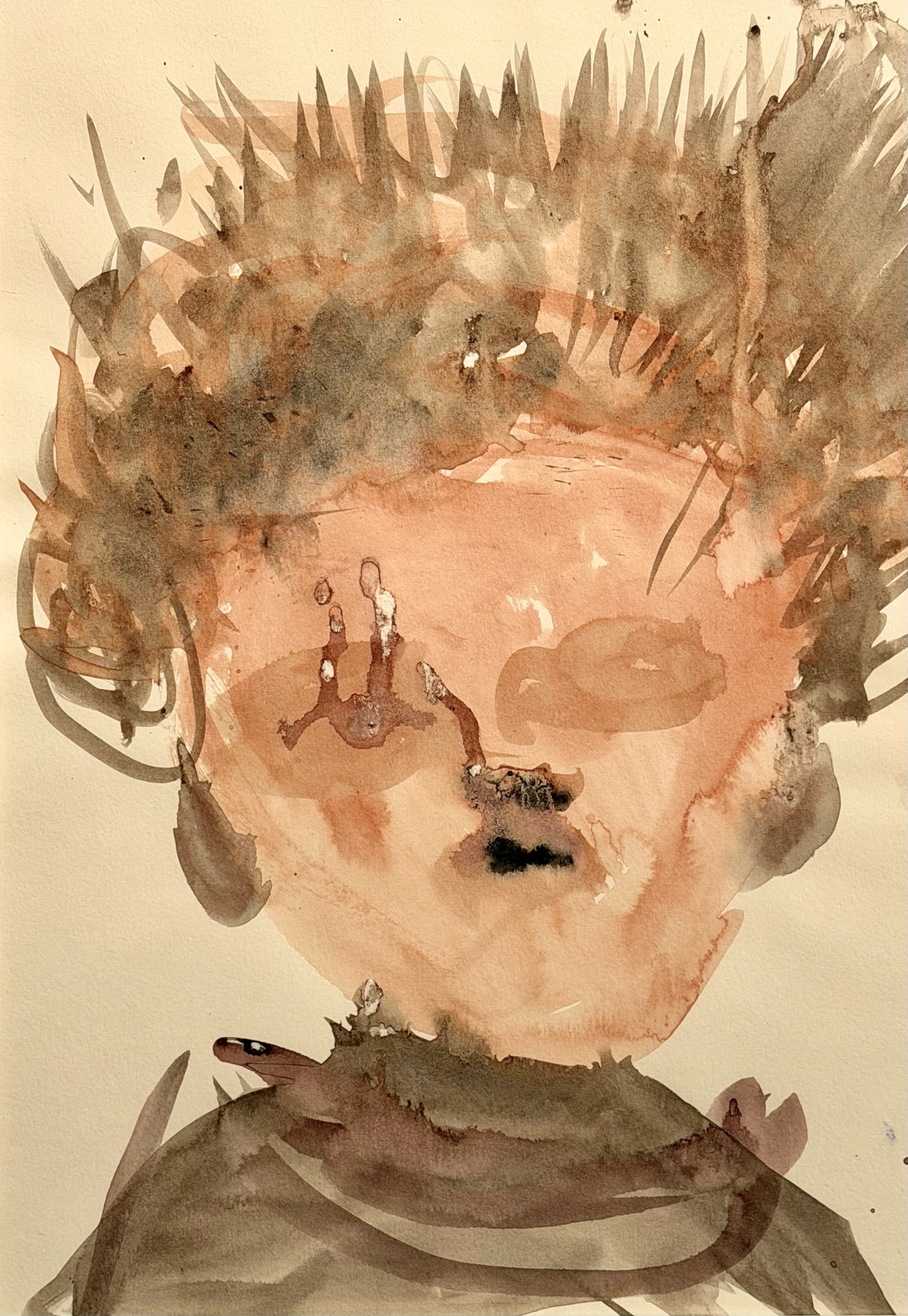
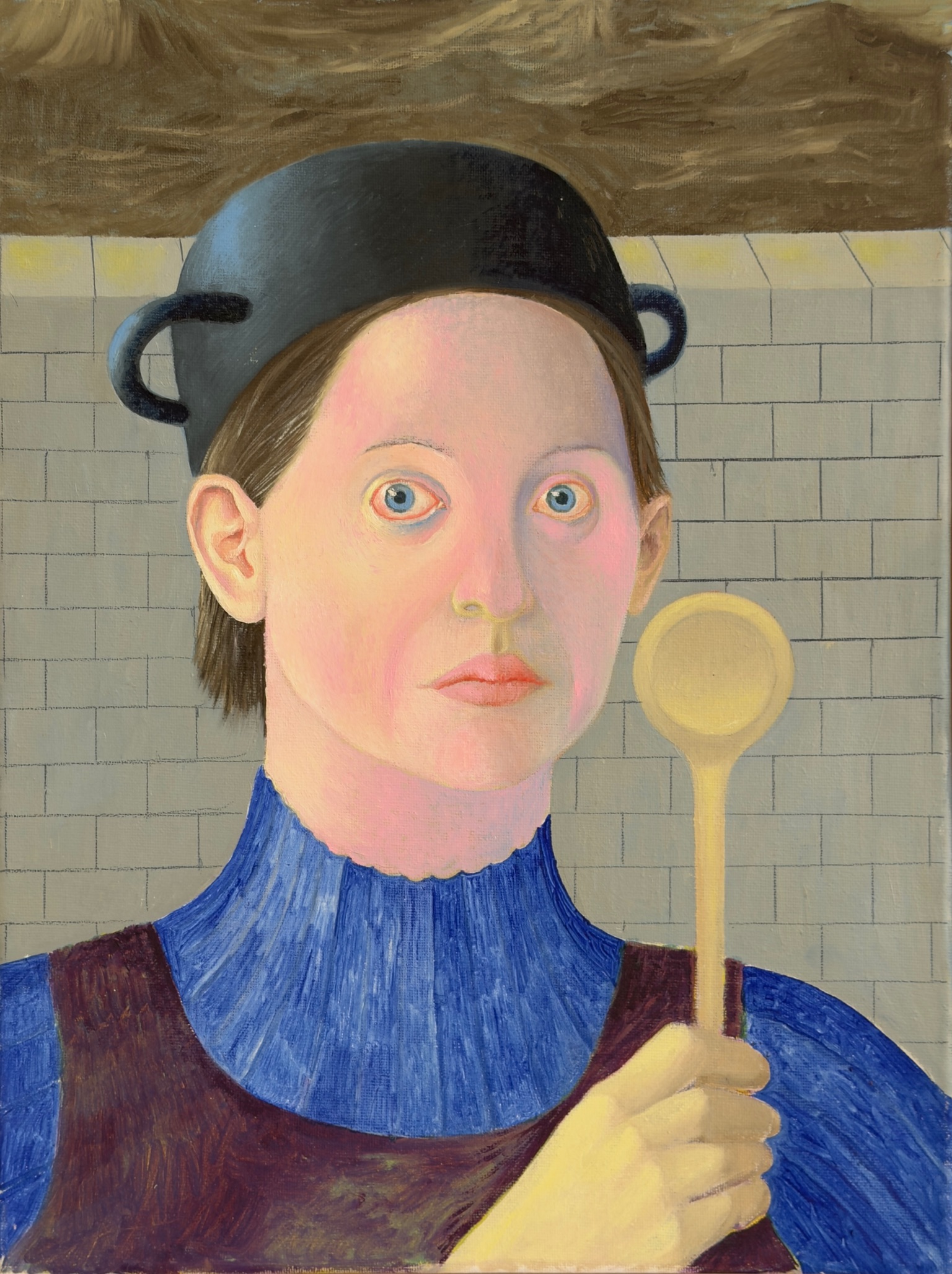
Self-portraits: Význačná jména současné scény v Bruselu
Mezinárodní výstavní projekt, který vznikl ze spolupráce mezi
Kabzan Gallery a Pražským domem v Bruselu, představuje
evropské veřejnosti rozsáhlou kolekci autoportrétů od devatenácti
výrazných autorů několika generací. Expozice nabízí sondu do nitra
tvůrců, kde žánr autoportrétu neslouží jako pouhá popisná
rekonstrukce vlastní tváře, ale jako radikální nástroj sebereflexe,
psychologická studie a svébytný komentář k postavení umělce v
dnešním světě. Výběr děl akcentuje napětí mezi tradiční formou a
novým vizuálním jazykem současnosti v žánru, který odjakživa
definoval dějiny umění.
Projekt Autoportréty přivádí do jednoho prostoru devatenáct
malířských osobností tří generací. Každý z autorů tvořil v absolutní
izolaci, bez vzájemného kontaktu. Výsledná expozice se však slévá
v jeden mezigenerační chorál o identitě. Tento společný prožitek
čisté tvorby intenzivní zápas s vlastním pohledem, hmotou barvy a
plátnem spojuje všechny autory do jednoho pevného, pulzujícího
celku.
Při pohledu na díla mizí lineární čas. Ukazuje se, že historický
kontext moderny je v naší současnosti stále živý a na svém vrcholu.
V éře digitálního odcizení funguje malba jako radikální protipól.
Offline art zde získává váhu pevného tělesného bodu je to
informace vázaná na reálnou věc, nikoliv v síti. Každá linie je
fyzickým důkazem přítomnosti těla.
Klíčovým momentem je intuitivní propojení obou pólů věkového
spektra. Nejstarší generace se na sklonku své cesty vrací na úplný
začátek a před zrcadlem stojí opět zdánlivě jako dítě. Tato tvorba
bez nánosů ega a očekávání vyzařuje čistý úžas a bezelstnou
zranitelnost. Tímto návratem k dětské optice nejstarší autoři
překlenují propast desetiletí a podávají si ruku s nejmladší
generací, která se nachází v identické fázi bezprostředního
ohledávání sebe sama.
Nejmladší autoři modernu necitují, ale aktivně ji žijí a skrze
prostorovou syrovost hledají své hranice. Střední generace
vstupuje s pevnou malířskou architekturou a prožitkem životních
zlomů, zatímco nejstarší umělci dialog prosvětlují dětskou čistotou
své moudrosti. Všichni společně aktivují kód upřímnosti, kde
minulost, současnost a budoucnost splývají v jediný viditelný
okamžik.
EN
Self-portraits: Leading Names of the Contemporary Scene in
Brussels
This international exhibition project, born out of a collaboration
between Kabzan Gallery and the Prague House in Brussels,
introduces the European public to an extensive collection of self-
portraits by nineteen prominent artists spanning several
generations. The exhibition offers an exploration into the inner
worlds of the creators, where the genre of the self-portrait serves
not as a mere descriptive reconstruction of one’s face, but as a
radical tool for self-reflection, a psychological study, and a distinct
commentary on the artists position in today’s world. The selection
of works emphasizes the tension between traditional form and the
new visual language of the present within a genre that has defined
art history since time immemorial.
The Self-portraits project brings nineteen painting personalities from
three generations into a single space. Each artist created their work
in absolute isolation, without mutual contact. The resulting
exhibition, however, merges into a single intergenerational choral
on identity. This shared experience of pure creation an intense
struggle with one’s own gaze, the matter of paint, and the canvas
binds all the artists into one solid, pulsating whole.
When looking at the works, linear time dissolves. It becomes
evident that the historical context of Modernism remains fully alive
and at its peak in our present. In an era of digital alienation, painting
acts as a radical counterpoint. “Offline art” gains the weight of a
solid physical anchor here it is information bound to a real object,
not a network. Every line is physical proof of the body’s presence.
A key moment is the intuitive connection between both ends of the
age spectrum. At the twilight of their journey, the oldest generation
returns to the very beginning, standing before the mirror seemingly
as children once more. Stripped of the layers of ego and
expectation, their work radiates pure wonder and guileless
vulnerability. Through this return to a childlike lens, the oldest artists
bridge the gap of decades and join hands with the youngest
generation, who find themselves in an identical phase of immediate
self-exploration.
The youngest artists do not cite Modernism; they actively live it,
searching for their boundaries through spatial rawness. The middle
generation enters with a solid painterly architecture and the
profound experience of life’s turning points, while the oldest artists
illuminate the dialogue with the childlike purity of their wisdom.
Together, they activate a code of sincerity where the past, present,
and future blend into a single visible moment.