Pomalu ale rychle8. 10. 2026 – 25. 1. 2027
Korunní 95, Praha – Vinohrady

typo_obraz

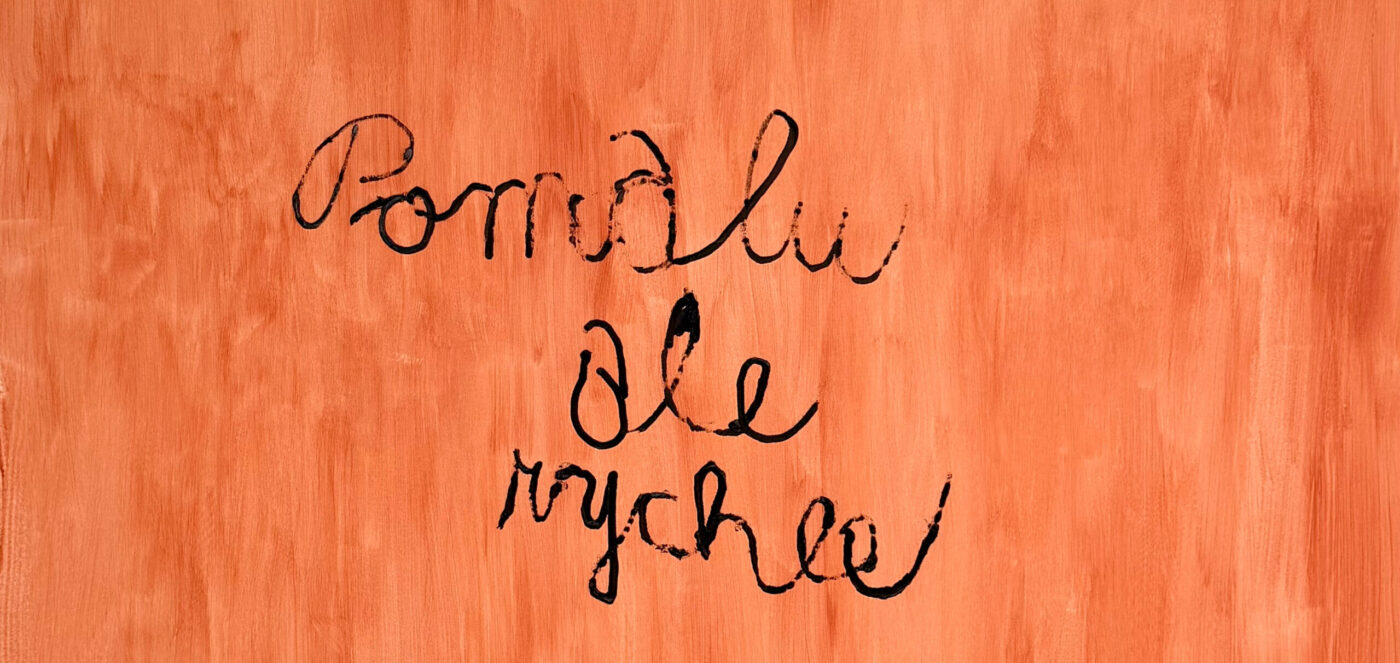
Pomalu ale rychle
Autoři: Silvia Krivošíková, Václav Stratil

Výstava potrvá od/Exhibition open 8. 10. 2026 – 25. 1. 2027
Vernisáž/Opening Reception: 7. 10. 2026 od 17:00

Korunní 95 Vinohrady, Praha

Rezervujte si svou návštěvu / Reserve your visit
Tel. +420 728 471 115 nebo/or gallery@kabzan.com 

Curator: Vilém Kabzan
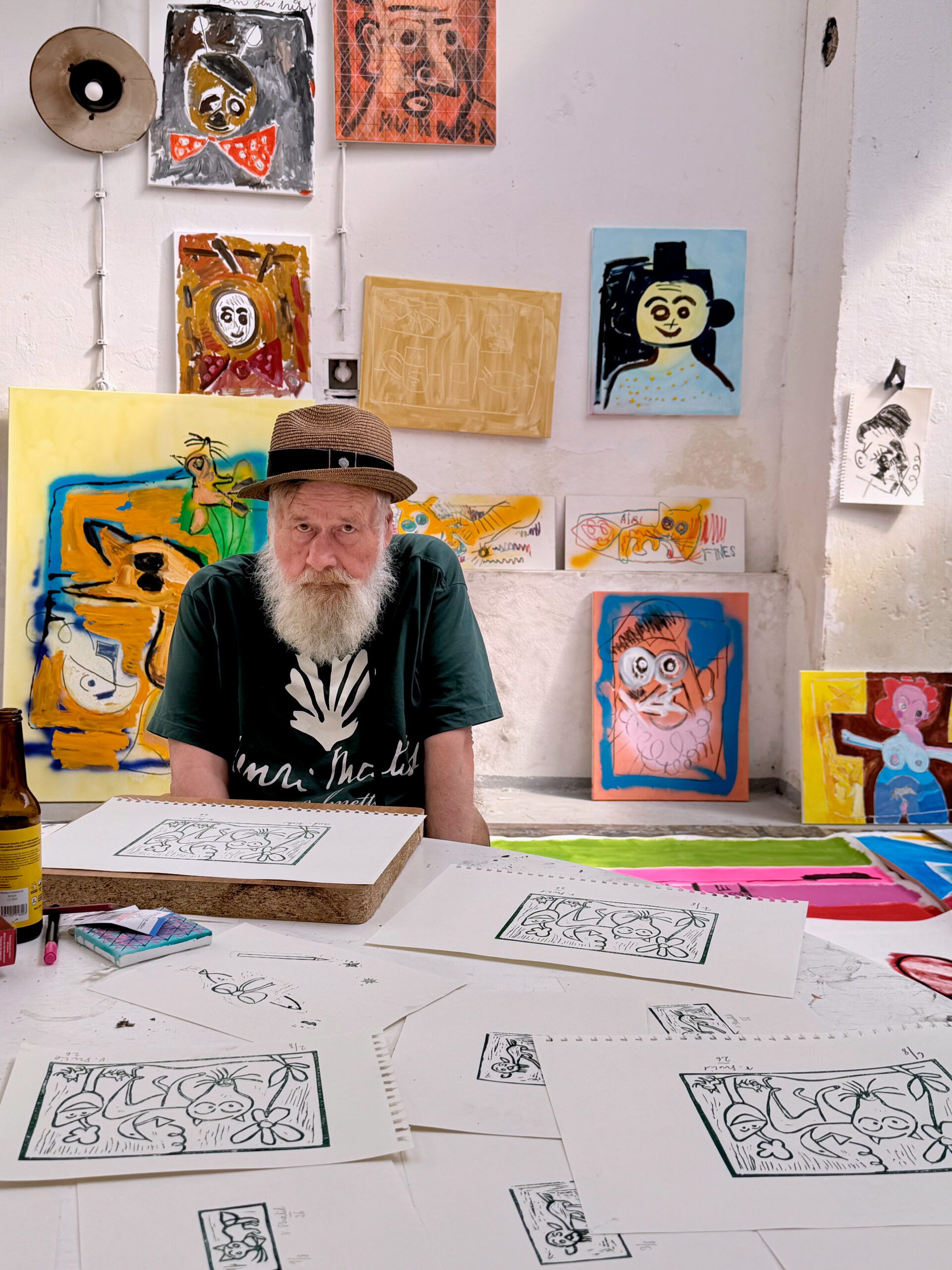
Obrazy, které se dívají
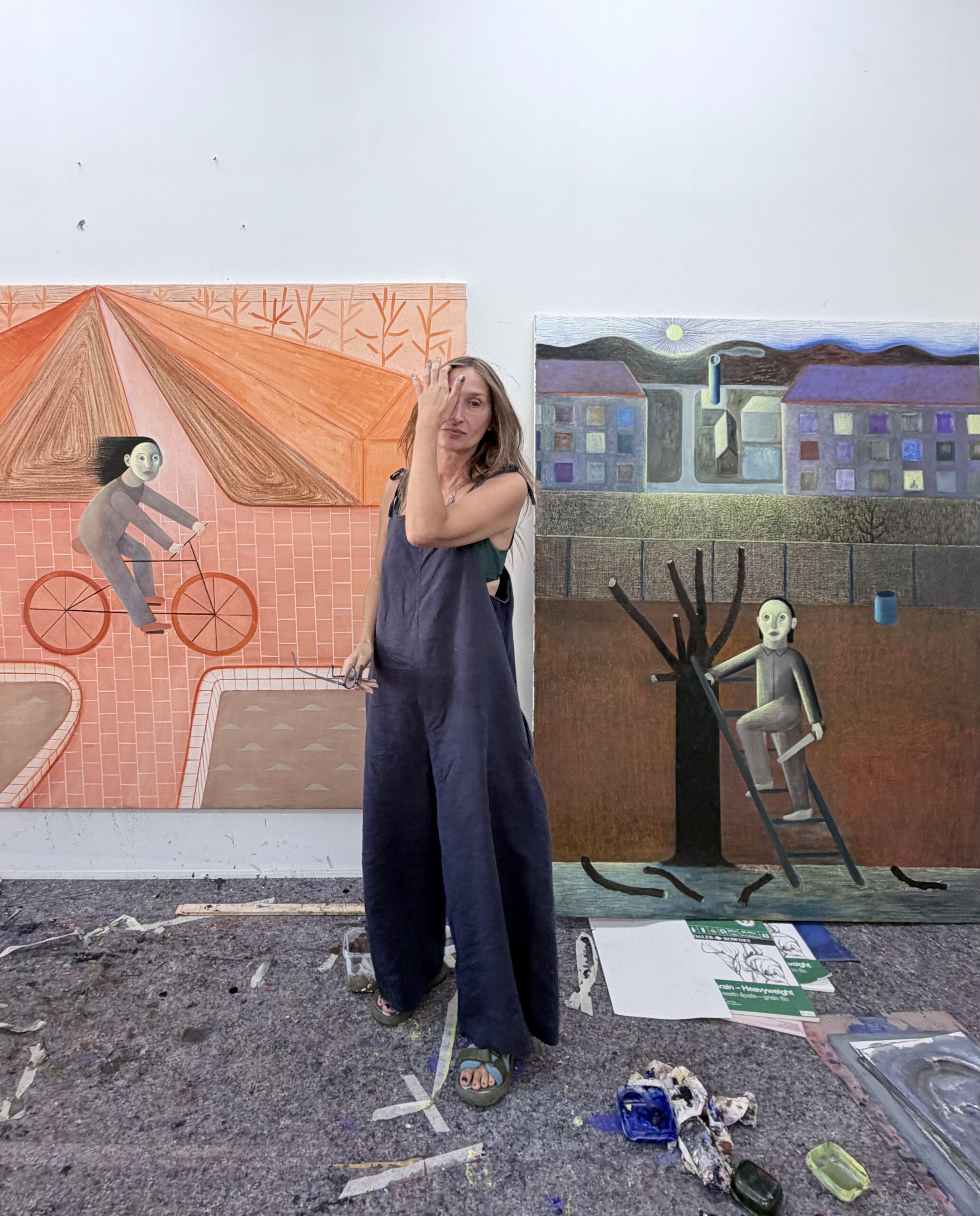
Co se stane, když vedle sebe postavíte díla dvou umělců, jejichž skutečné lidské osudy se v běžném životě neprotínají? Jejich plátna v jednom prostoru najednou začnou mluvit spolu v autentickém dialogu, ale i křiku, smíchu i pláči. Společná výstava Silvie Krivošíkové a Václava Stratila v prostorách pražské Kabzan Gallery na Vinohradech vytváří iluzi, která je silnější než realita. Výstavní prostor transformuje jejich tvorbu do jednoho velkého, fiktivního rodinného portrétu. Je to rodina spřízněná nikoliv krví, ale společným tématem: posedlostí médiem závěsného obrazu, taky lidskou tváří, portrétem, autoportrétem i vlastní existencí.
Krivošíková a Stratil se v tomto hluboce osobním tématu nepotkávají na rovině formálního stylu. Každý z nich mluví jiným vizuálním dialektem. Spojuje je však něco mnohem podstatnějšího – rovina čisté emoce a bytostné vědomí, že popisný akademický realismus nedokáže zachytit vnitřní pravdu. Oba autoři se vědomě obracejí k výrazné stylizaci a k určité postkubistické, syrové formě výtvarné výpovědi. Jako by nám říkali, abychom skutečně uviděli a pochopili samotné dílo.
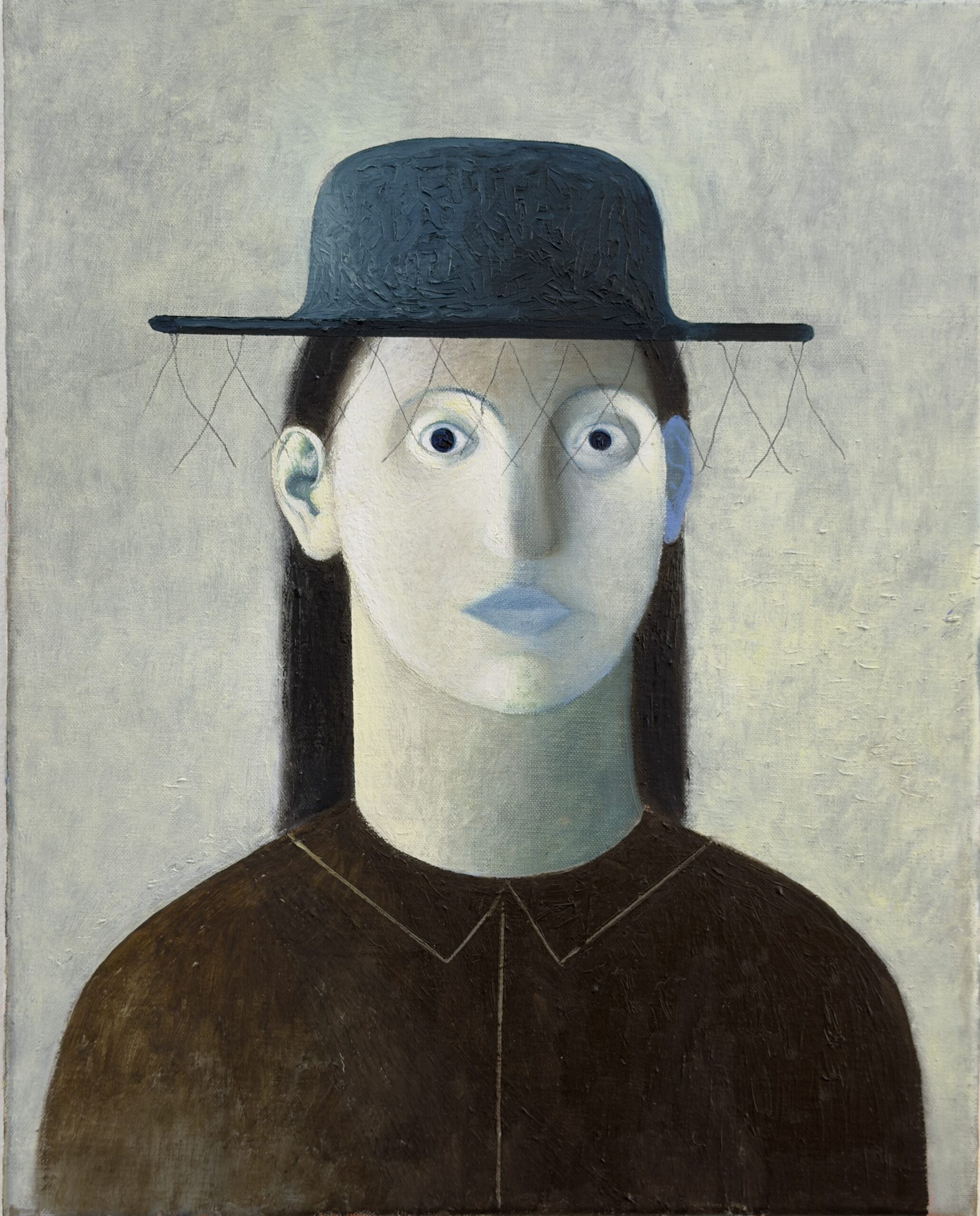
Tato výstava obrací tradiční, pasivní roli diváka vzhůru nohama. Portrét zde není objektem, který si bezpečně prohlížíme. Je to nejen zrcadlo, ale také okno, ze kterého se obrazy aktivně dívají na nás. Vstoupit do expozice znamená být spatřen. Tváře na stěnách vás nenechají jen tak projít. Pozorují vás, fixují si vás pohledem a bojují o vaši pozornost. Každý z autorů však do tohoto boje o lidský pohled tasí úplně jiné zbraně.
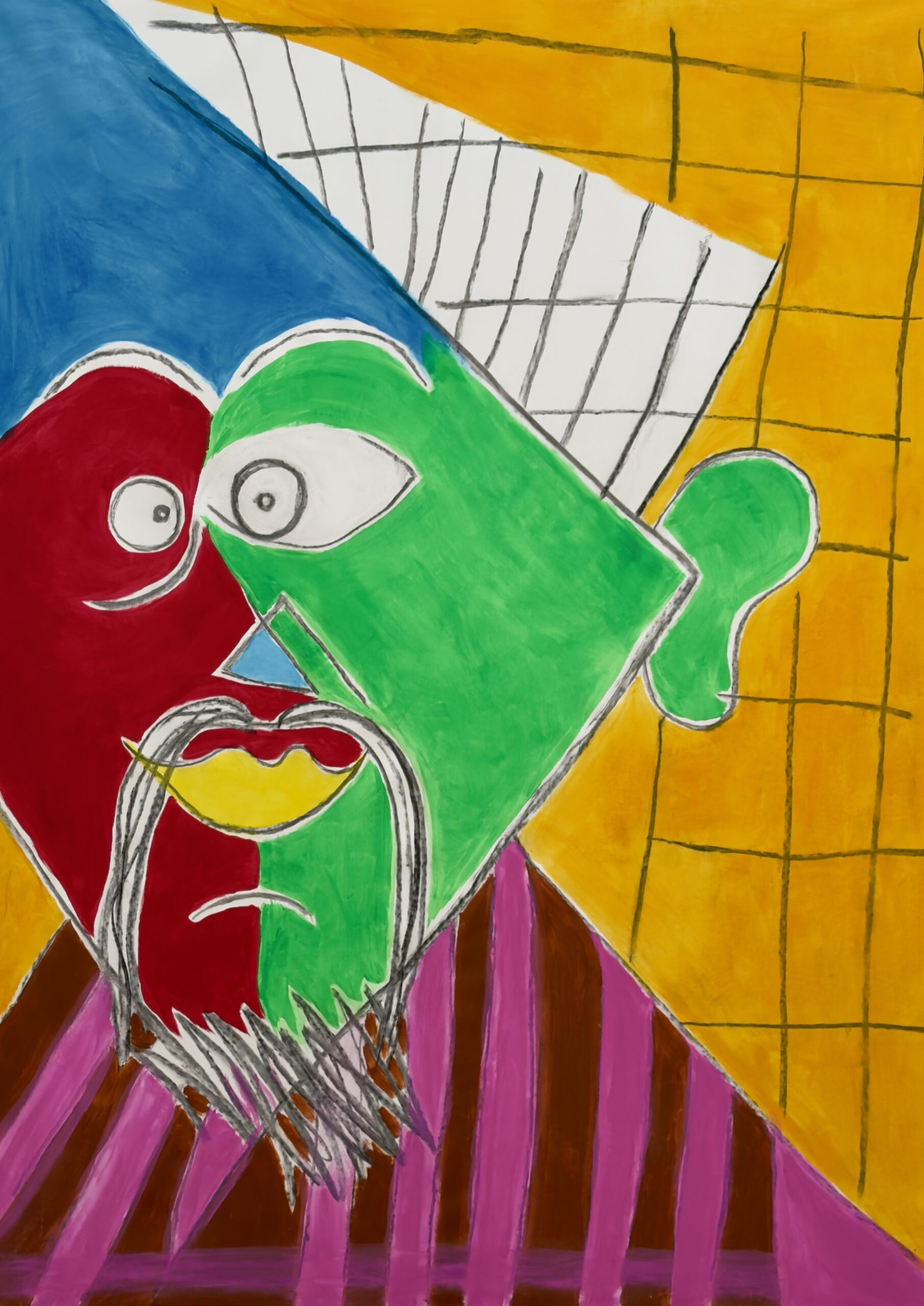
Václav Stratil útočí bezprostřední, čistou radostí z tvorby, humorem, punkovou estetikou a programovou nestylovostí. Jeho autoportréty jsou osvobozující, provokativní hrou na identitu, která rozesmívá i zneklidňuje. Silvia Krivošíková naopak diváka vtahuje tichým, hlubokým smutkem. Je to melancholie na konci dějin, které se nestarají o obyčejného člověka. Její figury v sobě nesou tíhu všednosti i věcí, které vás v životě sice neměly nikdy potkat, ale přesto se staly.
Zatímco meziválečná dvojice Toyen a Jindřich Štyrský definovala český surrealismus skrze snovou fantazii, vnitřní světy a boření tradičních genderových rolí, současné tvůrčí spojenectví Silvie Krivošíkové a Václava Stratila přenáší tento umělecký oxymoron přímo do názvu své nové společné výstavy „Pomalu, ale rychle“. Obě tyto dvojice, ač oddělené celým stoletím, staví na jiskření mezi dvěma silnými individualitami, které k sobě na první pohled vůbec nepatří. Právě z této absolutní nesourodosti a napětí mezi autory však vyvěrá naprosto jedinečné spojení, kdy se odlišné světy netříští, ale navzájem se provokují a doplňují. Rozdíl je jen v tom, že zatímco první historický pár hledal skryté pravdy v hlubinách lidského podvědomí, Krivošíková se Stratilem dekonstruují samotnou identitu umělce a ukazují, že i v naprostém protikladu lze najít dokonalou tvůrčí harmonii.
Portréty a autoportréty S. K. a V. S. by se daly označit za jakýsi artificialistický portrét, chápaný jako termín přímo odkazující k české avantgardě (Štyrský a Toyen). Znamená to, že malíř nemaluje realitu, ale „básnické“ vnitřní vize a sny, ovšem s vědomím toho, že naše dnešní sny jsou už infikovány digitálním světem. Líbí se mi tento československý odkaz z historie umění, přesně sto let starý, a to nejen proto, že naše dvojice je československá, ale také kvůli aktuálnosti slova artificialistický / AI. Toyen a Štyrský byli v tomto ohledu opravdu vizionáři.
Čas se v Kabzan Gallery začne chovat zvláštně. Procházíme jí pomalu ale rychle, protože tíha a naléhavost pohledů z obrazů nás nutí zastavit se a přemýšlet. Zároveň se však s oběma autory propojujeme bleskově rychle – v jediném záblesku intuice, kdy v cizí, deformované či maskované tváři na stěně poznáváme kus svého vlastního já.

Vilém Kabzan
kurátor

Medailonky autorů
Silvia Krivošíková (nar. 1976) je slovenská malířka dlouhodobě působící v mezinárodním kontextu. Její tvorba je charakteristická svébytným dialogem s modernistickým odkazem, postkubistickým tvaroslovím a geometrickou abstrakcí. Lidskou figuru a tvář rozkládá na elementární formy a plochy. V jejích dílech se mísí racionální kompozice s hlubokou, často melancholickou emocionální výpovědí o lidské existenci a osamění.
Václav Stratil (nar. 1950) je jedna z nejvýraznějších, nejvlivnějších a nejvíce nekompromisních osobností české konceptuální a intermediální scény. Dlouhá léta vedl ateliér Intermédia na FaVU VUT v Brně. Stratil je legendárním badatelem na poli portrétu, autoportrétu a identity. Používá kresbu, malbu, fotografii i radikální performance. Sám sebe stylizuje do stovek různých rolí, čímž neustále zpochybňuje hranice autorství, vkusu a uměleckého stylu.

Curatorial Text
Paintings That Look Back
What happens when you place the works of two artists whose real-life paths do not cross in everyday life next to each other? In a shared space, their canvases suddenly begin to converse in an authentic dialogue, but also in shouts, laughter, and tears. The joint exhibition of Silvia Krivošíková and Václav Stratil at Prague’s Kabzan Gallery in Vinohrady creates an illusion that is stronger than reality. The exhibition space transforms their work into one large, fictional family portrait. It is a family related not by blood, but by a shared theme: an obsession with the medium of easel painting, as well as the human face, portraiture, self-portraiture, and their own existence.
Krivošíková and Stratil do not meet on the level of formal style within this deeply personal theme. Each speaks a different visual dialect. However, they are connected by something far more essential the plane of pure emotion and an inherent awareness that descriptive academic realism cannot capture inner truth. Both artists consciously turn towards distinct stylization and a certain post-Cubist, raw form of artistic expression. It is as if they are telling us that to truly see and understand the artwork itself, we must first cast aside learned academic rules.
This exhibition turns the traditional, passive role of the viewer upside down. The portrait here is not an object to be safely observed. It is not only a mirror, but also a window from which the paintings actively look back at us. To enter the exhibition means to be seen. The faces on the walls will not let you just pass by. They observe you, lock their eyes onto yours, and fight for your attention. Yet, each artist draws entirely different weapons for this battle over the human gaze.
Václav Stratil attacks with an immediate, pure joy of creation, humor, a punk aesthetic, and a programmatic lack of style. His self-portraits are a liberating, provocative play on identity that both amuses and disquiets. Silvia Krivošíková, on the other hand, draws the viewer in with a quiet, deep sadness. It is a melancholy at the end of history, which does not care about the ordinary person. Her figures carry the weight of everyday life, as well as things that were never supposed to happen to you in life, yet they did.
While the interwar duo of Toyen and Jindřich Štyrský defined Czech Surrealism through dreamlike fantasy, inner worlds, and the dismantling of traditional gender roles, the contemporary creative alliance of Silvia Krivošíková and Václav Stratil transfers this artistic oxymoron directly into the title of their new joint exhibition, “Slowly but Quickly.” Both of these duos, though separated by an entire century, build upon the spark between two powerful individualities who, at first glance, do not seem to belong together at all. Yet, it is precisely from this absolute disparity and the tension between the artists that a truly unique connection emerges, one where differing worlds do not clash but rather provoke and complement each other. The only difference is that while the first historic couple sought hidden truths in the depths of the human subconscious, Krivošíková and Stratil deconstruct the very identity of the artist, proving that even within total contradiction, perfect creative harmony can be found.
The portraits and self-portraits of S.K. and V.S. could be described as a kind of Artificialist portrait, understood as a term directly referencing the Czech avant-garde (Štyrský and Toyen). This means that the painter does not depict reality, but rather “poetic” inner visions and dreams yet with the awareness that our dreams today are already infected by the digital world. I am fond of this Czechoslovak legacy from art history, exactly one hundred years old, not only because our current pair is Czechoslovak, but also due to the contemporary relevance of the word Artificialist / AI. Toyen and Štyrský were truly visionaries in this regard.
Time begins to behave strangely at Kabzan Gallery. We walk through it slowly but quickly, because the weight and urgency of the gazes from the paintings force us to stop and think. At the same time, we connect with both artists lightning-fast in a single flash of intuition, recognizing a piece of our own self in a strange, deformed, or masked face on the wall.
Vilém Kabzan
curator

Artist Biographies
Silvia Krivošíková (b. 1976) is a Slovak painter with a long-standing international presence. Her work is characterized by a distinctive dialogue with the modernist legacy, post-Cubist morphology, and geometric abstraction. She deconstructs the human figure and face into elementary forms and planes. Her pieces blend rational composition with a deep, often melancholic emotional testimony about human existence and loneliness.
Václav Stratil (b. 1950) is one of the most prominent, influential, and uncompromising figures on the Czech conceptual and intermediate art scene. For many years, he headed the Intermedia Studio at the Faculty of Fine Arts, Brno University of Technology (FaVU VUT). Stratil is a legendary researcher in the field of portraiture, self-portraiture, and identity. He utilizes drawing, painting, photography, and radical performance. He stylizes himself into hundreds of different roles, constantly challenging the boundaries of authorship, taste, and artistic style.